Portfolio
Archived experiments and learnings from building B2C products.
Craffr
Automated Reddit, Hacker News, and Indie Hackers monitoring for freelancers looking for clients. Developed using VS Code with AI-assisted coding - combining thoughtful feature design with rapid iteration based on understanding user needs.
Problem Statement
Freelancers waste 2-4 hours daily manually checking subreddits like r/forhire, r/freelance, etc. By the time they find a post and respond, 50+ other freelancers have already applied.
What Was Built
- Two-process architecture: Next.js app (Vercel) + Node.js worker (Railway)
- RSS-based monitoring (Reddit, Hacker News, Product Hunt, Dev.to)
- AI lead scoring (Claude 3.5 Sonnet) - 0-100 score based on buying intent
- Instant email alerts for high-scoring leads
- Subscription tiers (Stripe) with usage-based rate limiting
- Three-cron strategy to handle 100+ users within Vercel 60s timeout
Why It Failed Commercially
- Wrong market positioning: Freelancers want free tools, not $15/month SaaS
- Reddit rate limits: RSS feeds throttle at ~500 requests/day, can't scale to 1000+ users
- Low conversion: 2% trial-to-paid (industry avg 5-10%)
- Churn: Users churn after 1-2 months (not enough leads = cancellation)
- Support burden: 30% of users needed help with keyword setup
What I Learned
- Engineering: Two-process architecture works well for long-running tasks on Vercel
- Engineering: RSS is more reliable than unofficial APIs, but still fragile
- Engineering: AI scoring (Claude) was accurate but expensive ($0.02/lead)
- Product: Free tier cannibalized paid (users stayed on 100 leads/day limit)
- Product: B2B positioning would have been better (agencies, recruiters)
- Distribution: Reddit ads banned (self-promotion), SEO took 6 months to get traction
Tech Stack
Watzy
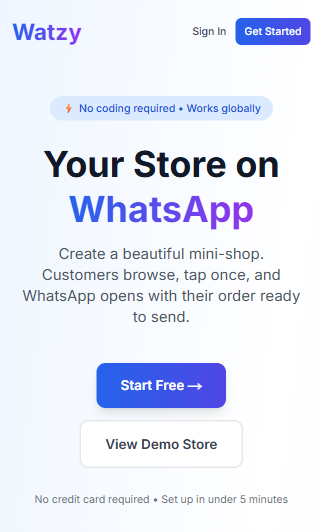
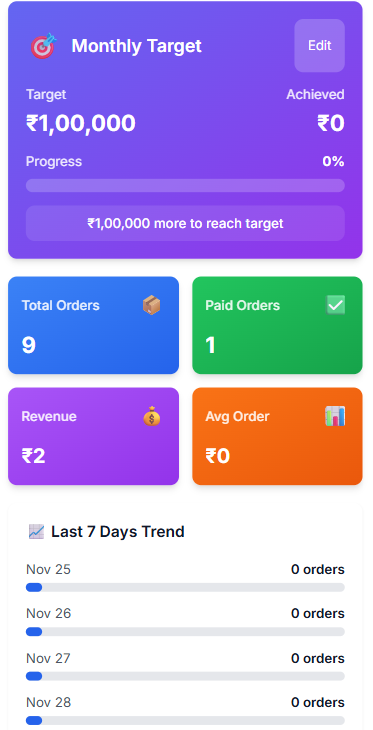
WhatsApp store creator for small businesses in emerging markets (India, Indonesia). Developed using VS Code with AI-assisted coding - combining thoughtful feature design with rapid iteration based on understanding user needs.
Problem Statement
Small businesses in India/Indonesia use WhatsApp as their primary sales channel but lack structured catalog tools. Existing e-commerce platforms (Shopify, WooCommerce) are too complex and expensive.
What Was Built
- Single-page store builder: Upload products via CSV or spreadsheet
- WhatsApp-optimized catalog page with product images, prices, descriptions
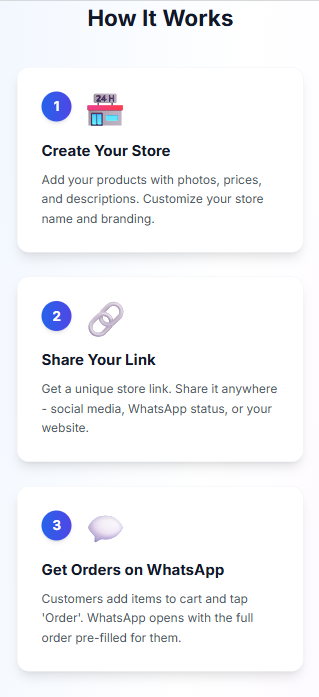
- One-click "Order on WhatsApp" button pre-fills message with product details
- Mobile-first responsive design (95% traffic from mobile in target markets)
- Free tier (5 products), paid tier ($5/month for unlimited products)
Why It Failed Commercially
- Payment friction: Target users couldn't pay $5/month (no credit cards)
- Wrong distribution: B2C approach failed, should've partnered with micro-influencers
- Feature creep: Users wanted inventory management, analytics (scope creep)
What I Learned
- Market validation: Validated problem (100 signups in Week 1) but wrong monetization
- Payment infrastructure: Emerging markets need local payment methods (UPI, GoPay)
- Distribution: WhatsApp groups + community managers > paid ads in these markets
- Timing: Meta's entry killed the space (can't compete with free + native integration)
Tech Stack